
For a country that has always presented itself as a soft state with a clear reluctance to any form of conflict, “Operation Sindoor” was a breath of fresh air. It established a new normal, where proxy war will no longer be seen as a low-cost and low-intensity conflict strategy; rather, it will have a serious cost assigned to it. The most striking aspect of this operation was the fact that Terror HQ’s were struck belonging to LET, JEM, and HM rather than a simple desolated facility with few groundworkers. The op not only brought out the intricate Military-Jihadi complex in front of the whole world but also established the unprecedented reach of the Indian armed forces across the length and breadth of Pakistan.
The Trigger
There is an unwritten rule in the Kashmir Valley, irrespective of the situation of the region, nobody will target tourists cuz not only is tourism critical to the local economy, more so, Kashmiri culture holds tourists in the highest regard, and that might be the reason why there are few recorded incidents of terrorists either abducting or harming tourists. Even from an operational standpoint, the foundation of the terrorist recruitment strategies and operational tactics is entirely based on having a strong relationship with the awaam, and so if you look at the history of the insurgency, then public funerals for militants, use of social media as a tool for ideological brainwashing and madrasa sermons to create more sympathy for terrorists operating in the region are frequently observable. The purpose of such actions is to generate a wave of empathy for jihadi organization’s which eventually helps them in justifying their existence, recruit local boys as militants and OGW’s and use civilian residences as makeshift safehouses for their cadre. Hence, most terror organizations have refrained from targeting tourists as it may negatively impact their presence in the region and severely disrupt their recruitment cycles.
Abrogation of Article 370 and consistent FATF scrutiny posed some very serious challenges to Pakistan-based terror groups, as business as usual was no longer a sustainable policy given the external pressure and falling domestic popularity, so a major workaround was crafted by these groups to operate in Kashmir without any external pressures. The biggest problem that Pakistan based terrorist organizations have Islamist identities are deeply embedded in their core, and so while their underlying objective might be to “Liberate” Kashmir however the Islamist nature of their structures and ideology makes them not only subject to massive foreign scrutiny (especially after 9/11) but also puts them consistently in contradiction with their stated aims or the recruitment materials. Furthermore, the Pakistani strategic doctrine is often to show these groups as rebels or freedom fighters; however presence of complete leadership positions in Pakistan and the inability to develop an organic/native insurgent group significantly weakens their narrative in front of the international community. However, as stated previously, Post-370, the Military-Jihadi complex found a major workaround to rectify these issues. Both JEM and LET created three specific splinter groups: TRF(The Resistance Front), PAFF(People Anti-Fascist Front), and KT(Kashmir Tigers), with TRF acting under the command of LET senior leadership(Sajjad Gul) while PAFF and KT acted under the command of JEM leadership. The move was aimed at secularizing the “Freedom Movement,” which could garner international sympathy like the PLO, and likewise, the Pakistani Leadership can exercise plausible deniability by projecting them as “Local Freedom Fighters” thereby helping them escape scrutiny.

Pir Panjal Range
Apart from the change in names, tactics were also radically transformed to outwit the security forces. The previous tactics used by these organizations were to have a strong urban presence in the region, which effectively meant that their area of operations was spread across the entire Kashmir valley from Downtown Srinagar to Awantipura, Kulgam, Pulwama etc thereby implying a larger concentration in South Kashmir However, due to high intensity CI/CT ops and depleting local recruitment coupled with strong local HUMINT of security forces drove TO’s out of the region eventually pushing them to upper reaches of North Kashmir and the Pir Panjal range. Recognizing the constraints, the TOs changed their approach in the region, given the fact that local recruitment was drying up, the onus of carrying out terror attacks fell on the foreign(Pakistani) cadre who were either in leadership positions or had very recently infiltrated into the valley. In 2020, when the Galwan crisis occurred, Indian troops that were deployed along both sides of the Pir Panjal range as part of the CI/CT grid were taken out of the region and were ordered to mobilize to the LAC. This effectively left a major intelligence void in that space, which was then exploited by FTs by recruiting locals as OGWs either for money or by the threat of death. Most TOs had batches of FTs move across the forested region and campaign in caves, essentially giving them a strong cover to remain undetected from the security forces. Most of the FTs that are operating in the region are ex-SSG or ex-Pak Army, making them experts in combat tactics and masking their movement. This, coupled with local OGWs that were being indirectly operated (No direct or limited engagement of FTs with these assets), further provided them critical information about their area of operation, which included infiltration and exfiltration routes within the forests. With a strong local intel in place, both TRF and PAFF started carrying out identical ambushes where they would choose a location fairly close to the forest, and so as soon as they would spot a convoy, they would spray it with bullets(anti-armor rounds) to inflict maximum damage and within minutes they would escape to the forests having complete knowledge of their exfil routes. For security forces, these tactics posed a serious challenge for several reasons. Firstly, the foliage in that region is extremely thick, making it very difficult to trace and pinpoint the exact location where these elements were hiding. This effectively ruled out drone surveillance, given the difficulty of the topography in that area. Thus, the only option that security forces were forced to use was to have boots on the ground and establish a large search parameter (CASA), which then meant that SFs would have to traverse through the forest to identify the hostile positions this placing them at a significant disadvantage primarily because in the forests the enemy is at the advantage as they can easily monitor SF movement due to sound of the boots allowing them to escape in case the troops get close to interception.
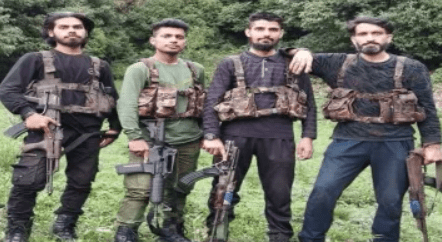
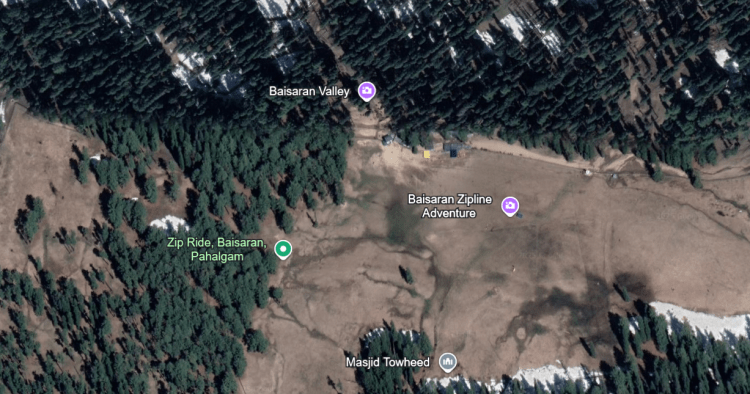
On 22nd April 2025, the long-standing rule was violated by TRF in the most brutal and heinous way possible. A batch of 5 TRF terrorists, headed by Hashim Musa A.K.A Suleiman Shah, stormed through Baisaran valley in Pahalgam, which was a famous terrorist spot, and shot 26 innocent tourists in broad daylight. This was an extremely well-planned attack, as the terrorists were not only well aware of the layout of the entire area, but they were also well versed with the fact that given the valley is isolated and at an elevation, coupled with a lack of road connectivity, it will take significant amount of time for security forces to reach that area which will be sufficient for the terrorists to complete there ops and then escape into the near by forest (similar ambush pattern). The attack was egregious not only in the way it was carried out, but also had significant communal connotations, where people were shot based on their religious identities. The intent was clear: to create a major communal divide within the country and destabilize it further. The attackers had strong local support, feeding them intel about the area, including entry and exit points, but also providing them shelter to hide, which can be further validated by the recent arrests of two Pahalgam locals accused of housing these terrorists. In the immediate aftermath of the attack, a large cordon and search operation was launched to hunt down the terror module and twice the SFs were able to bust their hideouts; however, due to topographical constraints, the attackers were able to escape.
A FEROCIOUS PAYBACK

While a series of non-kinetic actions were undertaken by the government against Pakistan after the Pahalgam attack yet it was fairly clear that a strong and unprecedented kinetic action was in the offing. What followed was a series of deliberations that were held between the political leadership and the national security apparatus to chart out India’s response. It’s imperative to understand that any response needs to be calibrated, should have an element of surprise, and most importantly, should deliver the necessary message that there will be a high cost to asymmetric warfare
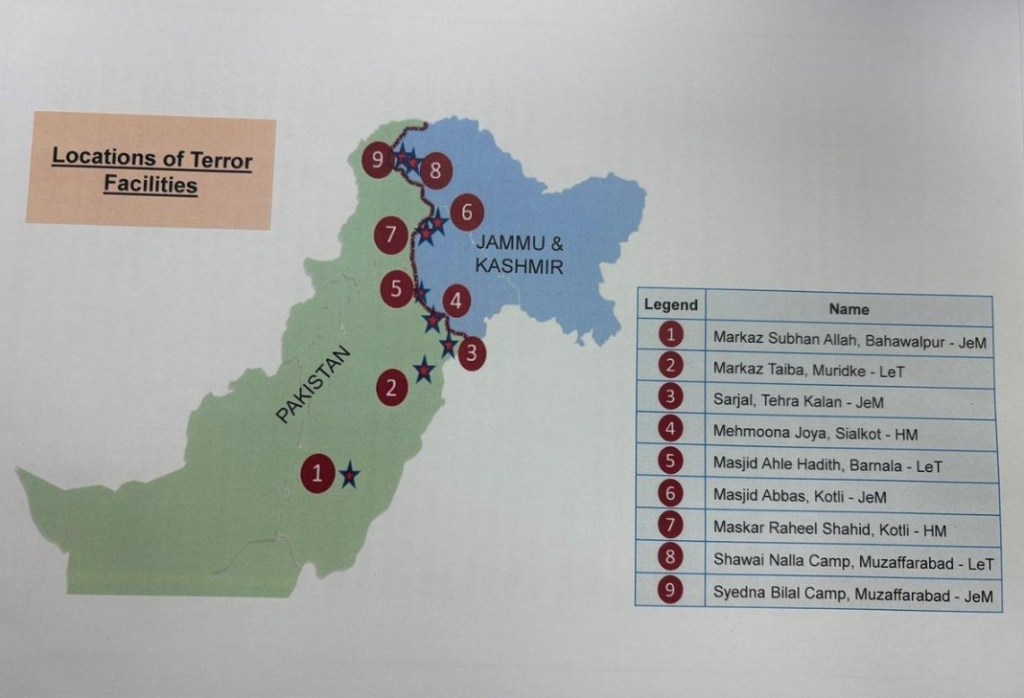
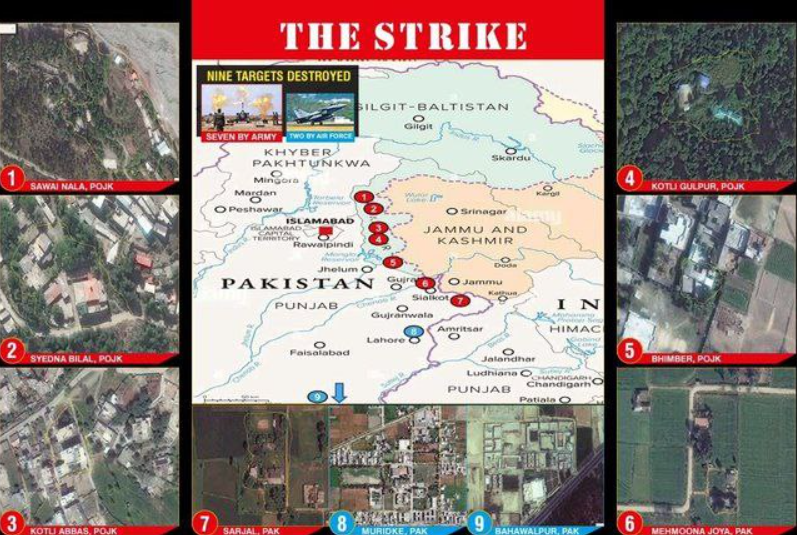
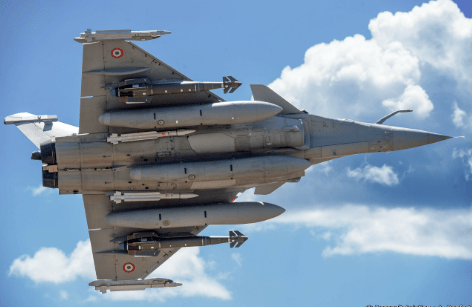
And so on 7th May 2025 at around 0145 hours, India struck 9 locations, encapsulating 21 targets across POK and Mainland Pakistan. These locations included targets of various orientations, like Command Headquarters, Makeshift Training Centres, and Forward Area Launchpads. Amongst the 9 target LOC, 7 target LOC were attacked by the Indian Army using UCAV, Loitering Munitions, while 2 major command target LOC were struck by the Indian Air Force using SCALPS and Hammer payloads from IAF Rafales. All the targets were struck with complete precision, and the strike eventually led to the elimination of about 100 terrorists, with the most notable HVT kill being Rauf Azhar, who was directly responsible for the killing of Daniel Pearl and multiple JEM terrorist attacks in India. While there were a number of fascinating aspects of this strike, however, the most unprecedented and audacious aspect of this strike was the attack on Bahawalpur and Muridke, which were for far too long considered impregnable fortresses however those silos were broken in this strike and India annihilated the command HQs of JEM and LET in a single strike.
MARKAZ SUBHANALLAH BHAWALPUR
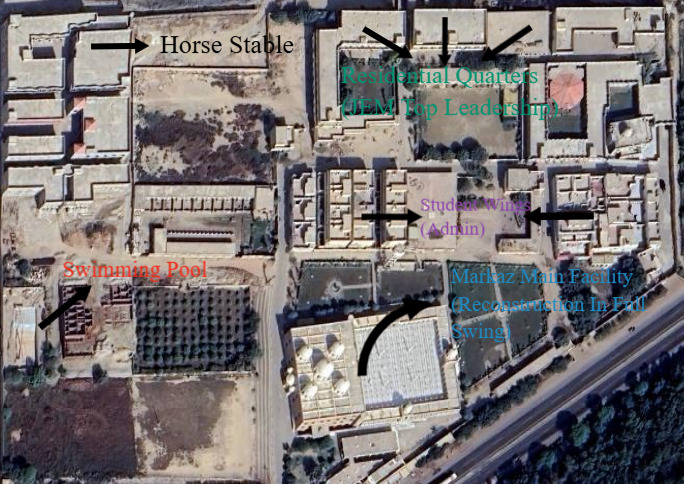
Markaz Subhanallah is a 4.5-acre compound located at the outskirts of Bahawalpur and sits adjacent to the Bahawalpur-Karachi highway. It was inaugurated in 2009 and serves as the headquarters of Jaish-e-Mohammad(JEM). Ahmad Nayeem, a resident of Bahawalpur, sold this property to Rauf Azhar and his partner, Rashid Ahmed, on 23rd March 2009 for PKR 1.5 Million. Since then, this property has become a sprawling complex, having the ability to house about 12,000 students. The facility consists of a swimming pool, a horse stable, a military depot, recreational slides, and millions of dollars worth of SUVs and antiques. Apart from this, there is a network of tunnels that the facility holds for unknown reasons. Most importantly, this facility also functions as the home of some high-ranking JEM members like Masood Azhar (Emir), Mufti Rauf Asghar(De Facto head and Chief of Operations), and their families. The facility is strategically located as Bahawalpur is socio-economically one of the poorest regions in Pakistan; hence, given the range of facilities that the complex offers, it attracts a large number of kids who are eventually brainwashed and recruited for JEM operations in India. The Markaz was maintained and used to be under the charge of Hafiz Jameel (A close relative of the Azhar Family, killed in Indian Strikes). Several terrorist attacks have been planned and orchestrated by JEM leaders from this facility, and the preliminary phase of the terror training that happens in JEM involving hardline Islamic radicalisation takes place at this facility
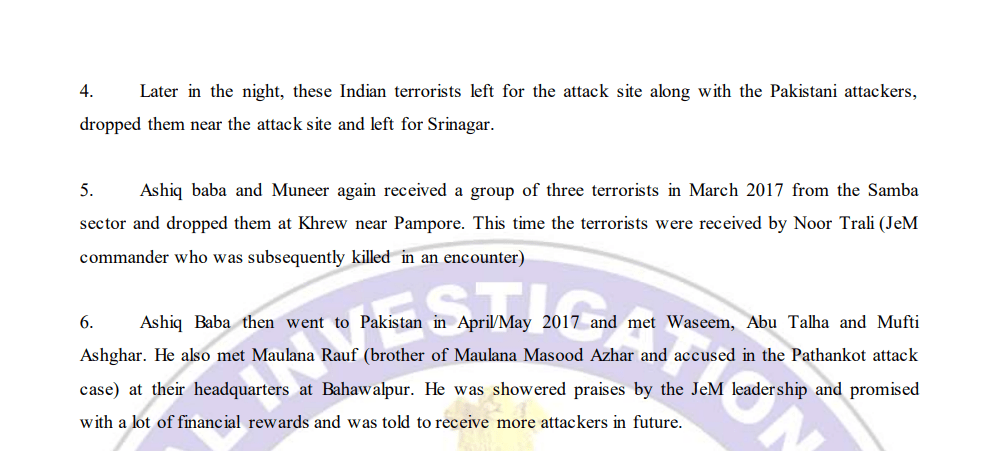
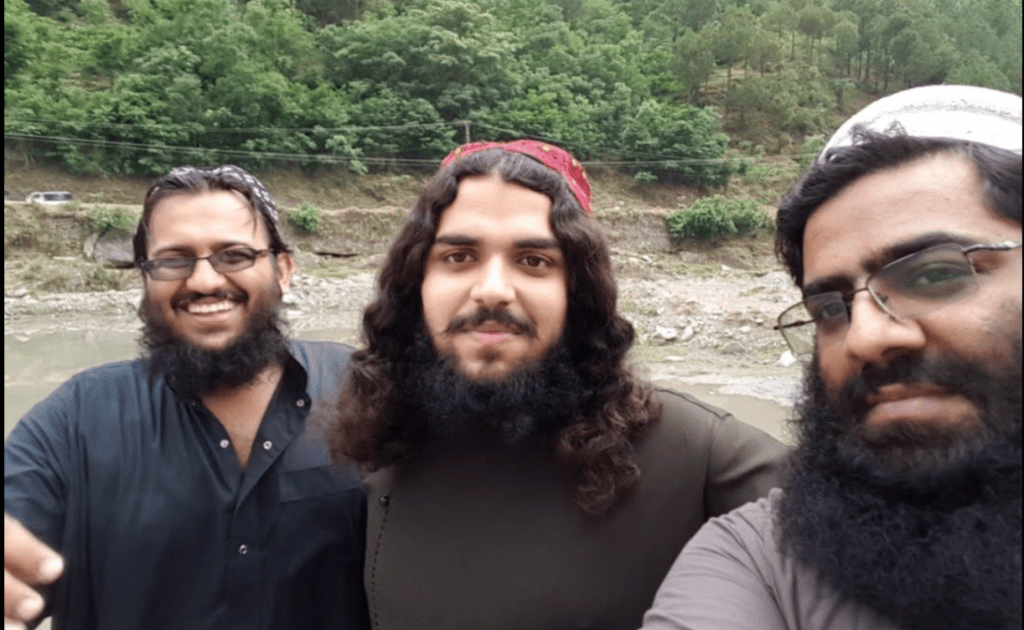
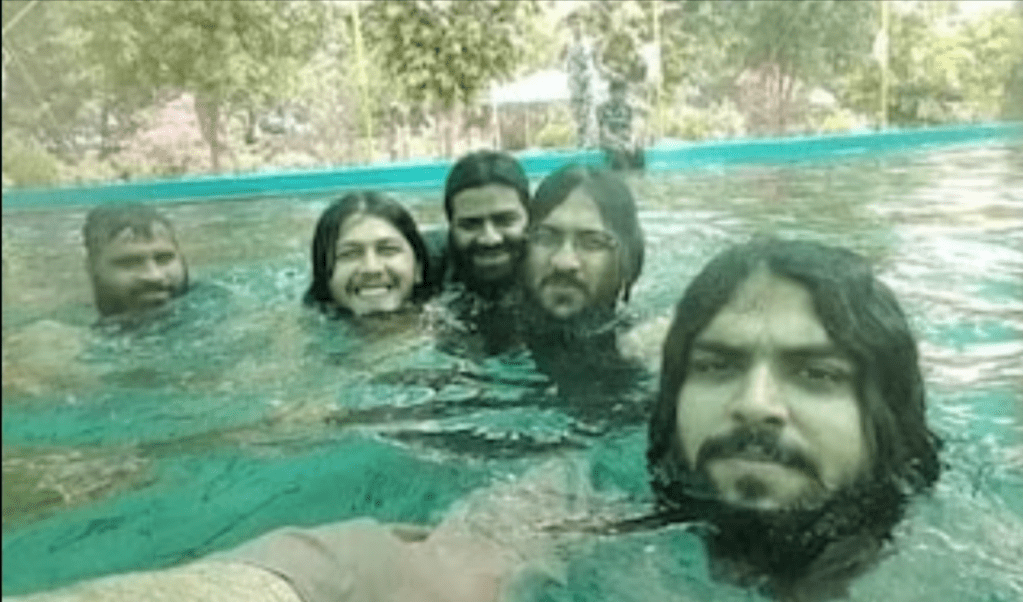
The above images are simply the tip of the iceberg when it comes to the evidence that validates the complicity of this facility in terrorism against India. In the first image, it can be observed that the attackers of Nagrota Army Camp visited the JEM headquarters to meet with Mufti Rauf Asghar to negotiate financial aid to carry out attacks in Kashmir, eventually culminating in the Nagrota Attack. All the nephews of Masood Azhar: Talha Rasheed, Usman Haider, and Mohammad Umar Farooq, who were killed in Kashmir, received ideological training from this facility. A snapshot of the Alvi brothers enjoying the swimming pool in JEM HQ is visible above. The most notorious of them was Umar Farooq, who was the head of the IED module, which was responsible for carrying out the Pulwama Attacks. He was born in Bahawalpur and spent most of his childhood in this facility, getting brainwashed by the hateful sermons of Masood Azhar.
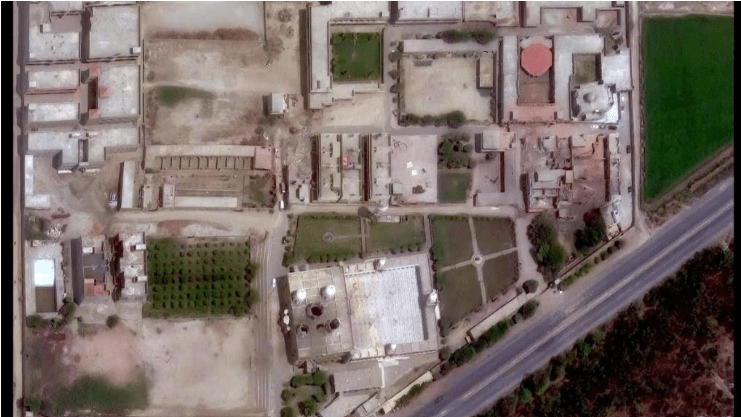
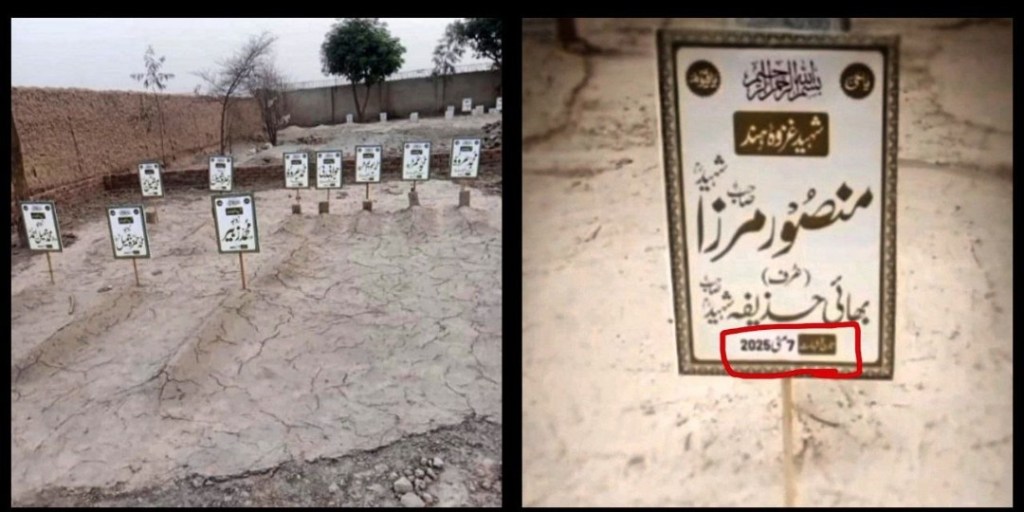
In the ensuing strikes, there were 5 impact hits by the Indian munitions at different complexes in the entire target system. The individual complexes that were struck aligned effectively with the strike philosophy, which was to eliminate HVTs, and these locations served as shelter points of JEM leadership. This resulted in the elimination of 14 close family members and associates of Masood Azhar which included his sister, brother-in-law, nephew, and some crucial associates like Yusuf Azhar and Rauf Azhar.

MARKAZ TAIBA MURIDKE
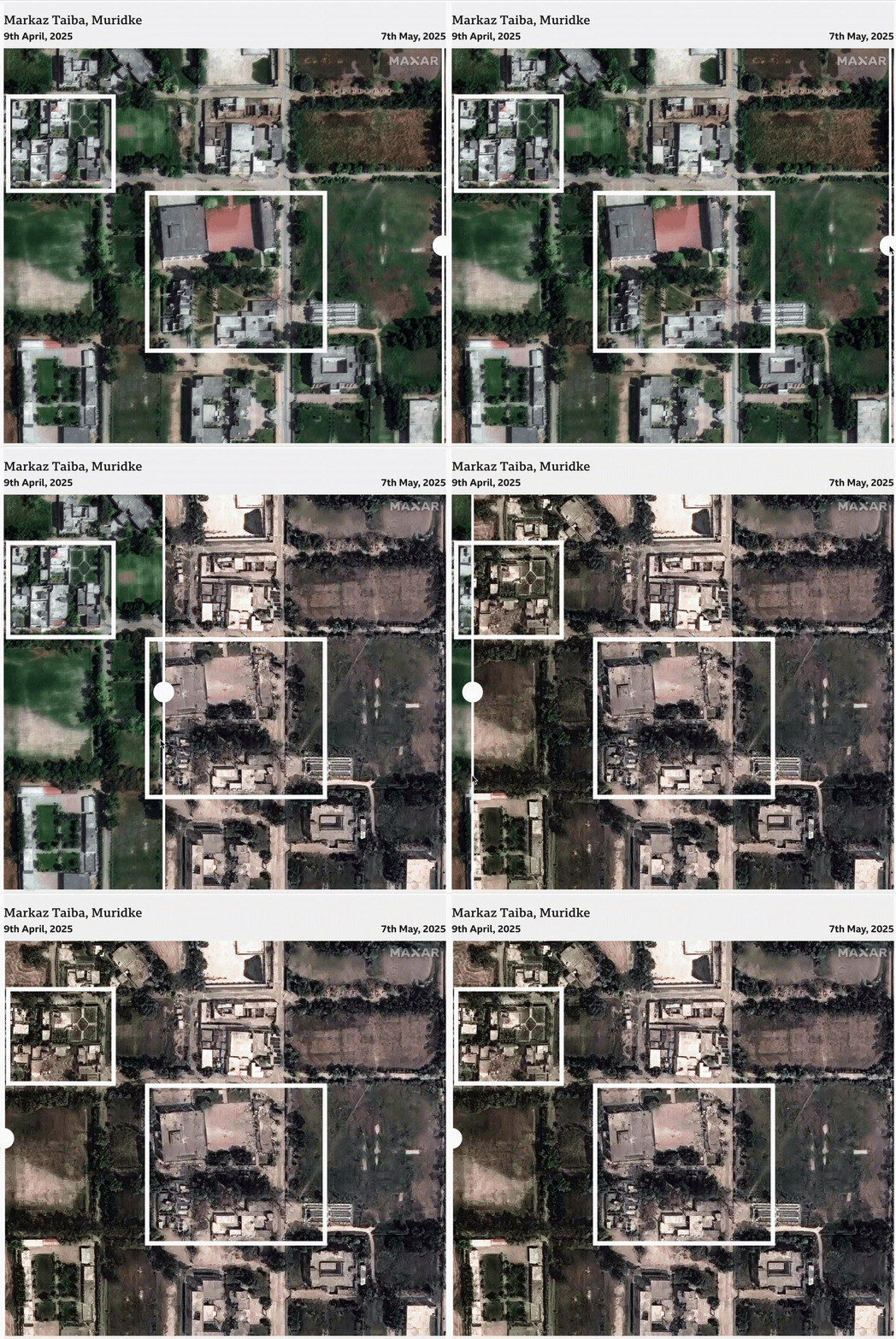
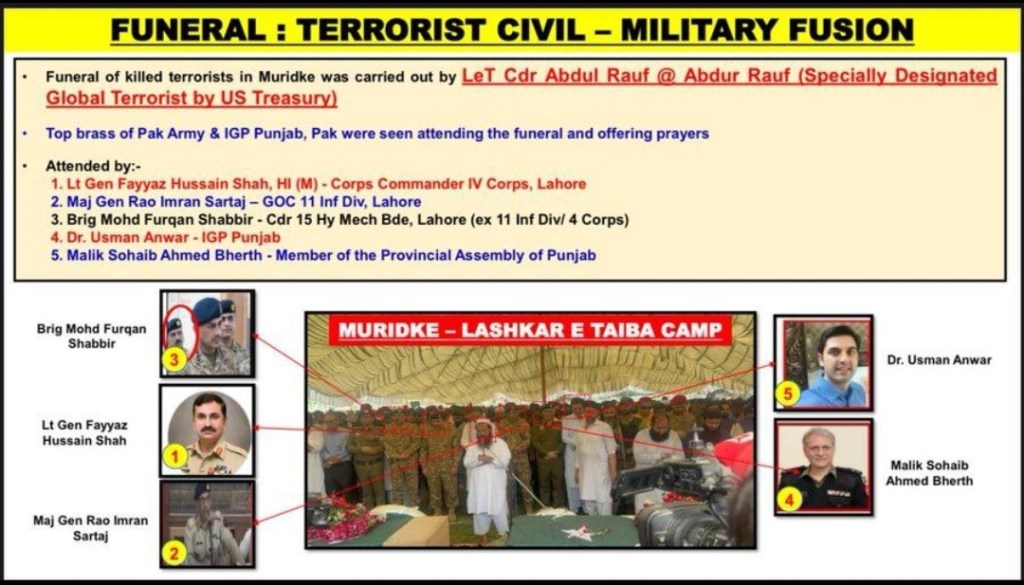
Markaz Taiba acts as the operational headquarters of Lashkar-e-Tayeba, which is also the parent organization of TRF. This facility was established in 2001 and was funded by the then Emir of Al-Qaeda: Osama bin Laden. Apart from the operational decisions undertaken by LET leadership, the facility is also used for the preliminary training stage, “Daura-e-Sufa,” involving LET cadre. This stage focuses primarily on indoctrination and physical conditioning of terrorists. Markaz Taiba also houses some of the important LET leaders, like Abdul Rehman Makki (Involved in 26/11 planning), Mudassar Ahmed(LET J&K operations head killed in Indian strikes) etc.
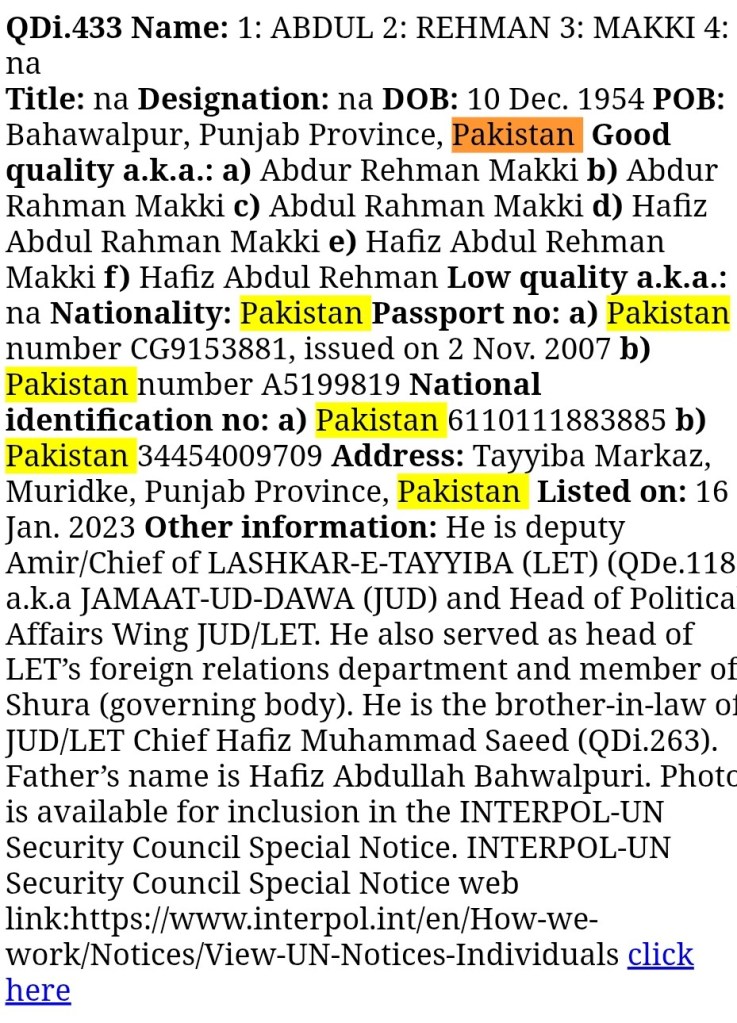
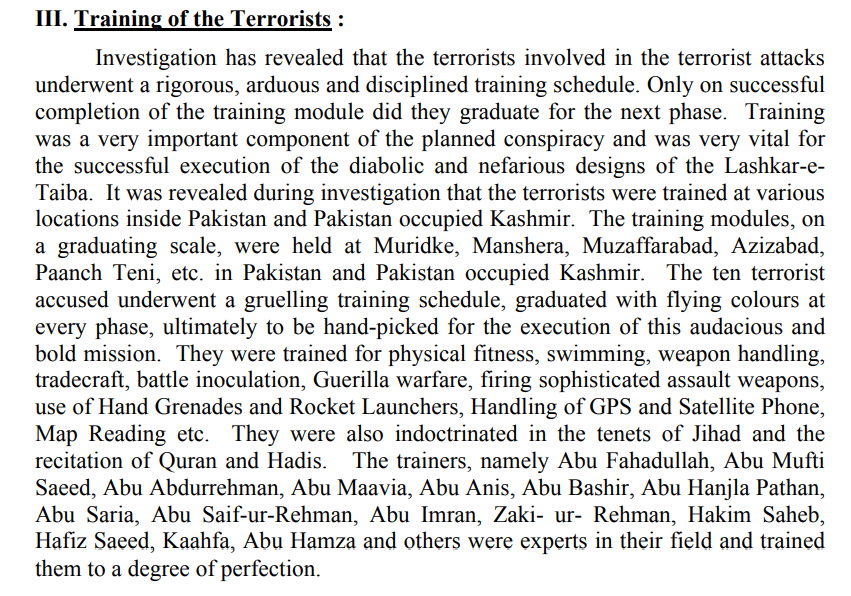
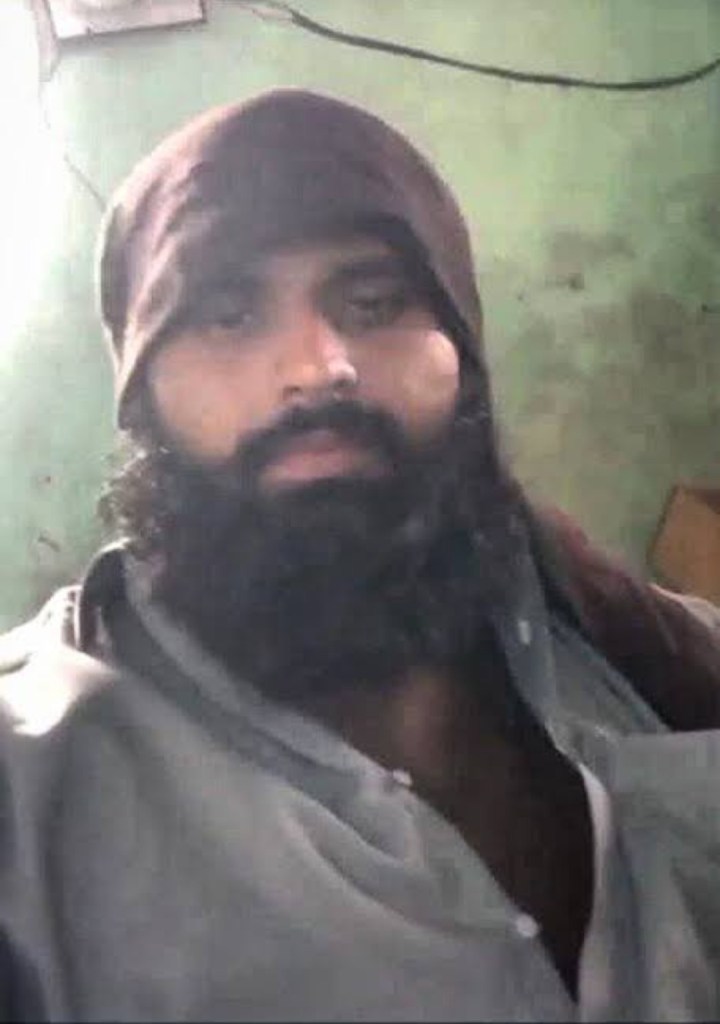
Markaz Taiba was instrumental in orchestrating the attacks of 26/11. The only terrorist that was caught, ‘Ajmal Kasab’ was recruited from Muridke, and all the attackers underwent “Daura-e-Sufa” at the same facility. Apart from this, both David Headley and Tahawwur Rana were in close contact with the leadership in Muridke, and David Headley even had an in-person meeting with them at LET HQ. All the handlers of the 26/11 attacks, including Zaki-ur-Rehman-Lakhvi, Sajid Mir, Muzammil, Abdul Rehman Lakhvi, etc., were handpicked by Hafiz Sayed (Emir of LET) at Muridke.
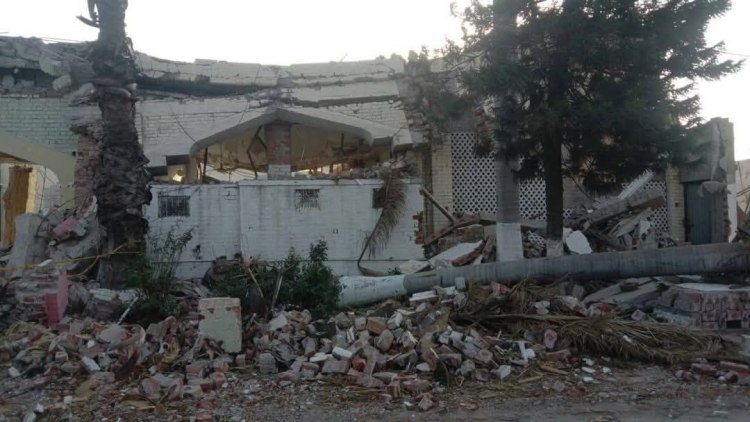
In the ensuing strike at Markaz Taiba, 4-5 Munitions were dropped, each having different impact points across the entire Muridke target system, leading to complete flattening of those target complexes and elimination of major terrorists.
ESCALATION SPIRAL
Indian Strikes were precise, calibrated, and non-escalatory in nature, as no Pakistani military installation was targeted; however, generally, before carrying out such an audacious air offensive, the ideal military strategy is to carry out SEAD(Suppression of enemy air defense) and DEAD(Destruction of enemy air defense) which involves destroying enemy air defense assets to prevent any detection or interception from hostile enemy aerial vectors. Yet on that fateful day, due to the constraint of not targeting military facilities, the enemy airspace was crowded with hostile vectors, which eventually led to an aerial engagement that unfortunately led to some losses on the Indian Side, yet despite this tactical obstacle, the Indian armed forces managed to carry out precise air strikes without any interception from the enemy air defense which itself was a major success.
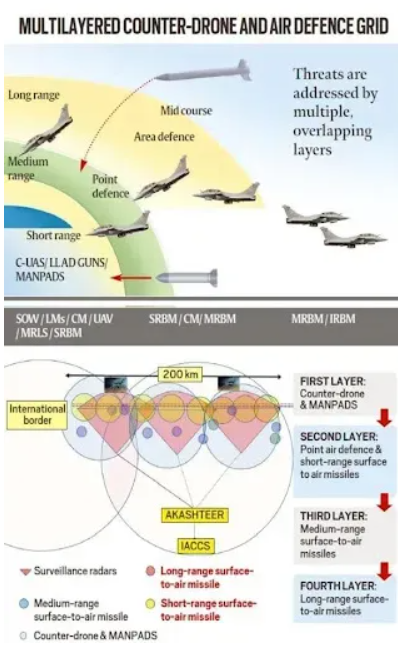
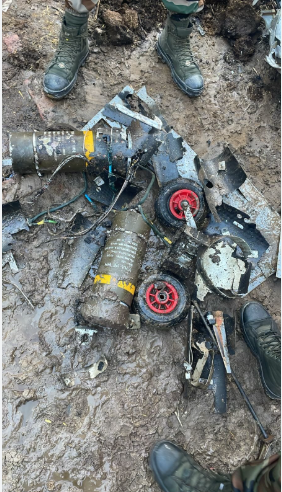
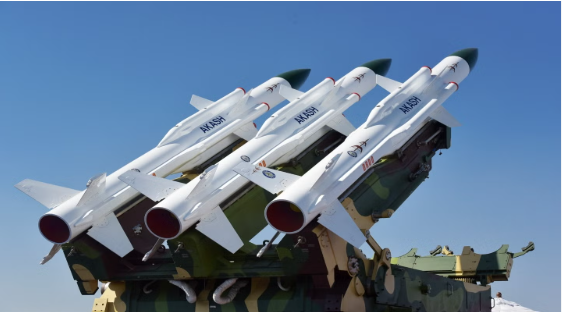
On the night of 7th,8th, and 9th May, Pakistan Launched Saturation drone strikes that consisted of quadcopters, UAV’s and Armed UCAVs, which targeted Indian Military and Civilian installations. The primary purpose of these strikes was to exhaust the Indian Air Defense and to identify the locations of Indian radar systems and air defense batteries; however, these strikes were successfully thwarted by IACCS and Indian AD assets. In response to such strikes, India on 8th May launched a wave of Harpy Drones to target Pakistani AD systems, which led to the successful destruction of HQ-9 AD battery at Lahore, LY-70 battery in Muzaffarabad, and destruction of Pakistani Stealth Radars at different sites. This massive assault on the Pakistani Air defense system led to saturation of their air defense systems within two days. What followed was a lethal strike that was beyond imagination.
FINAL STRIKE
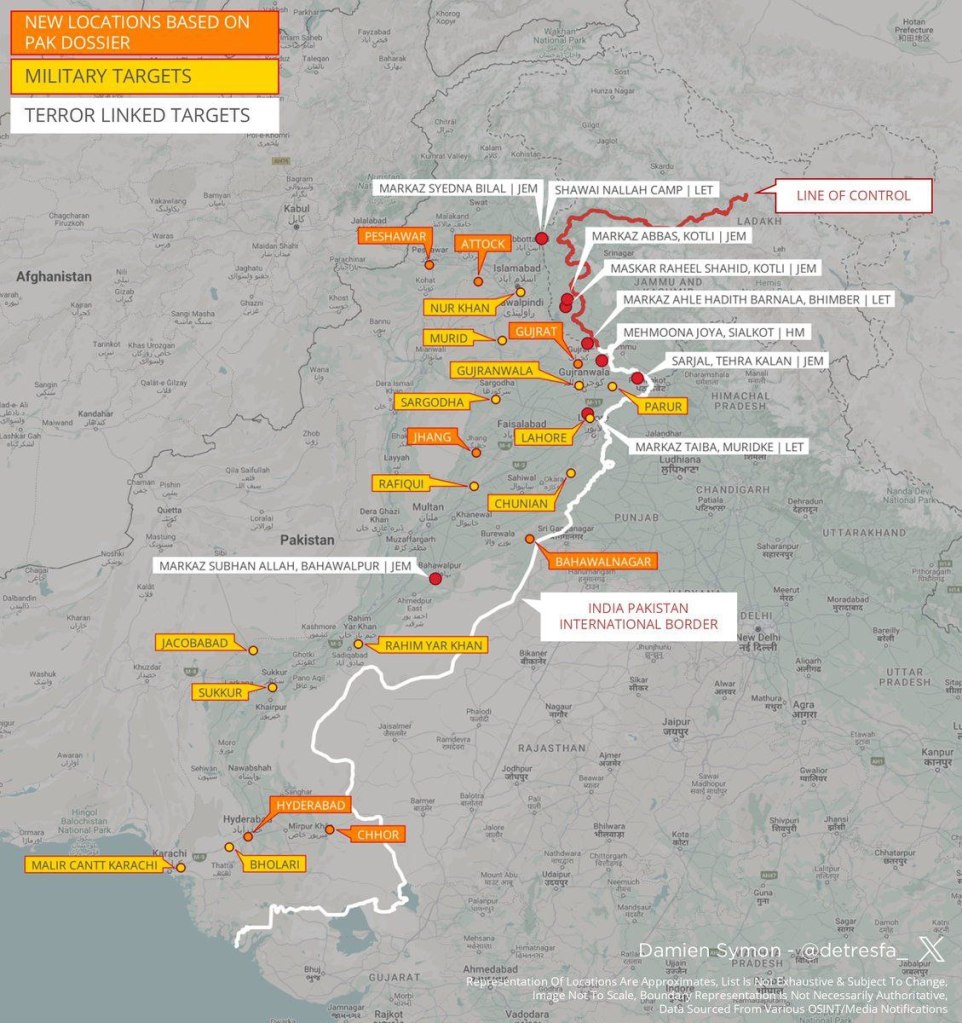
Indian actions were strictly controlled by the Escalation Control Mechanism, which essentially meant that while India had no intention of escalating the conflict, as it had already fulfilled its strategic objectives, however, if Pakistan refused any off-ramp and kept its foot on the escalation pedal, then India would significantly increase escalation levels to a point where Pakistan is forced to take an diplomatic off ramp and as part of this strategy after successfully intercepting continuous waves of Pakistani Drone Strikes, India bombed 12 Pakistani Airbases on the intervening night of 9th and 10th and then on the morning of 10th. The first tranche of the Indian offensive targeted Nur Khan(Chaklala), Rafiqui, and about 3-4 more PAF bases. The biggest highlight of this offensive was the attack at Nur Khan, which is considered the crown jewel of PAF and is in extremely close proximity to both GHQ Rawalpindi and Central Nuclear Command. Reportedly, the strike was so big that the Pakistani COAS was forced to call the Pakistani PM, who then lobbied foreign partners to stop the Indian Offensive. A wide range of weapons were used in this strike, which included Brahmos, Rampage, and SCALP that caused significant damage to PAF Assets and Command centers.
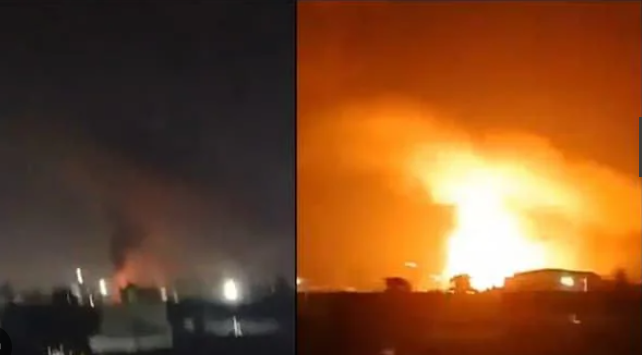
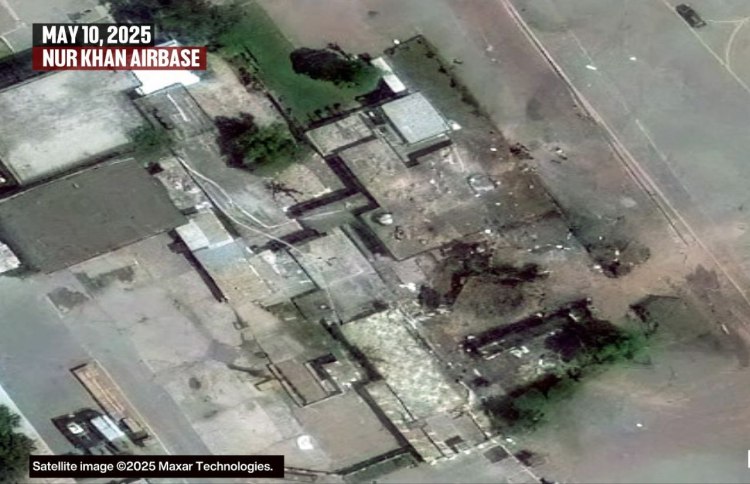
The second tranche of the Indian offensive came in response to the failed Pakistani Operation “Bunyan-al-Marsoos”. India targeted critical PAF forward bases which included Bholari, Jacobabad, Sukkur, and Sargodha, and radar sites at specific locations. The strike in Bholari was the most destructive as it led to the destruction of a PAF AWAC and 4 PAF officials being eliminated in the process. Rigorous Indian offensive eventually forced the Pakistani DGMO to establish contact with the Indian DGMO to discuss cessation of hostilities, and so after the communication at 1545 hours ceasefire came into force at 1700 hours.
FUTURE AHEAD
Operation Sindoor will be a watershed moment in India’s conventional deterrence doctrine. Not only did the op call off the bluff of the Pakistani Nuclear Sabre-Rattling, but also established the fact that there is sufficient space for conventional operations under the Nuclear Umbrella. It broke the myth that terrorist leaderships can operate with impunity across the border and are safe in their HQs. No longer is proxy war a low-cost affair; on the contrary, it will force the Pakistani deep state to re-evaluate its tactics, as any asymmetric offensive will lead to a high cost for the mainland. While the strikes were significant, they also brought about a range of lessons that India will need to integrate into its playbook to approach future conflicts. One of the biggest laggard for India post-operation was our abysmal Information Warfare, while India was able to significantly shield its population from Pakistani misinformation machinery, however, it failed in setting the narrative across the world. Pakistani ISPR are expert in IW and so exploiting the Information void left by India, it expertly crafted the global narrative around Indian losses, and given India’s lack of strategy to tackle it, we are operating in ambiguity where at home there is radio silence on this issue while Indian military leadership is providing bits of information to foreign platforms this has inadvertently led to narrative completely pivoting to aerial engagement rather than the underlying objectives of the strike and the intricate Pakistani Military Jihad complex. In any military operation, losses will always happen. There is no harm in acknowledging them as it aids in rectifying tactics and identifies the necessary tech integration required to prevent such losses from reoccurring in a future conflict. However, both political parties and civilians have to grow some sensitivity to understand that any platform loss is a critical piece of information that can’t be revealed willy-nilly in open source, as it can have a significant impact on combat tactics and morale. Yet it’s very sad to see rather than celebrate the strategic objectives that were fulfilled by this operation and the message it delivered, the discourse is entirely focused on lamenting tactical errors, and inadvertently, there is an attempt to undermine the credentials and competence of our Armed Forces. While no doubt tactical losses did occur, however, the ability to operate and carry out precise strikes within the constraints makes the performance of the Indian Armed Forces exceptional, and so there can be no fingers that can be pointed to their credibility.
Cutting across all the noise, the most pivotal achievement of Operation Sindoor is the creation of a new normal in India’s strategic calculus. The green light from the top leadership on India’s new strategic doctrine is Monumental. Highlighting the fact that India won’t make any differentiation between proxy organizations and their backers by the top leadership is a game-changer as not only will this ensure that next time a conflict occurs, there won’t be any constraints to carry out SEAD ops, increasing the lethality of Indian response multifold. Furthermore, the policy of ” Any act of terrorism will be an act of war” will make the cost-benefit analysis of asymmetric warfare extremely difficult for ISI.
Even if the Pakistani “Bleed India with a Thousand Cuts” doesn’t halt, the Idea that India can amputate Pakistan in response makes the equation extremely precarious and interesting, and who knows, in Sindoor 2.0 Navy might get an opportunity to see some action cuz the last time they went into a war a new country was created.
 Geopolitical Matrix